Frisco Spinal Rehab Expands Conservative Neck Pain Care With DRX9000
Frisco Spinal Rehab details DRX9000 spinal decompression as a non-surgical approach for selected cervical conditions

Press Release Disclaimer: This is a press release distributed through the XPR Media network. It has not been independently verified by our newsroom.
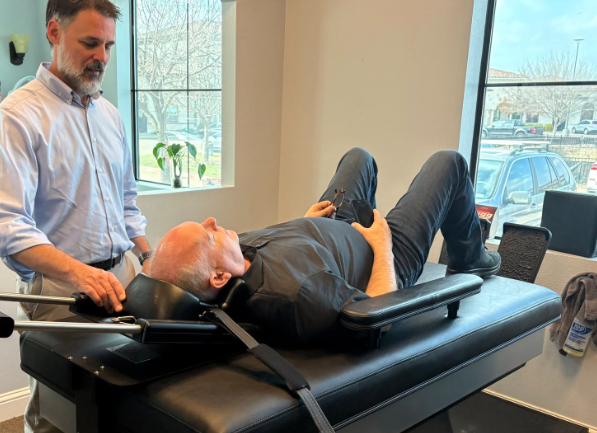

Frisco Spinal Rehab details DRX9000 spinal decompression as a non-surgical approach for selected cervical conditions and neck pain in Frisco, Texas.
FRISCO, TX, UNITED STATES, September 24, 2026 /EINPresswire.com/ — Frisco Spinal Rehab, a chiropractic and spinal rehabilitation clinic in Frisco, Texas, provides non-surgical care for patients experiencing neck pain and conditions affecting the cervical spine. Its services include DRX9000 spinal decompression, chiropractic adjustments, massage therapy, red light therapy, acupuncture, shockwave therapy, PEMF therapy, and other supportive rehabilitation approaches. The clinic’s published treatment information describes cervical spinal decompression as one option for selected patients with neck pain, cervical disc conditions, and symptoms associated with nerve irritation or compression.
DRX9000 Neck Pain Treatment in Frisco Addresses Cervical Spine Conditions
Neck pain can have several potential causes. Cervical disc problems, degenerative changes, nerve irritation, muscular tension, injuries, and other spinal conditions may contribute to discomfort or restricted movement. The symptoms associated with these conditions can vary considerably between individuals, making an appropriate evaluation an important part of determining which treatment options may be suitable.
The DRX9000 is a computerized spinal decompression system used as part of a non-surgical approach to certain disc-related conditions. The treatment involves positioning the patient on a decompression table and applying controlled forces to a selected area of the spine. According to the clinic’s published information, the system can be configured to target specific spinal levels and adjust the force used during treatment.
Cervical decompression differs from lumbar decompression because it is directed toward the neck portion of the spine. The cervical spine contains the vertebrae, discs, nerves, and other structures responsible for supporting the head and facilitating movement. When a disc becomes damaged or changes in structure, nearby nerves may become irritated or compressed, potentially contributing to neck pain and symptoms extending into the shoulder or arm.
The treatment approach described by the clinic is intended for appropriately evaluated patients rather than as a universal solution for all forms of neck pain. Its published information states that an assessment is used to determine whether decompression is appropriate for an individual’s condition.
How DRX9000 Cervical Decompression May Help With Neck Pain
The term DRX9000 Neck Pain Relief in Frisco refers to the use of cervical spinal decompression as part of a broader conservative care approach for appropriate patients. The objective of decompression therapy, as described by the clinic, is to apply controlled traction forces to the targeted spinal area and reduce mechanical pressure associated with certain disc and nerve conditions.
The clinic’s treatment materials describe the DRX9000 as a system capable of adjusting its decompression force in response to the body’s feedback during a session. Its published information states that the device’s servo motor can make repeated adjustments during treatment. These technical features are presented by the organization as part of its approach to controlled cervical and lumbar decompression.
Spinal decompression is generally considered a conservative treatment option and does not involve an incision or surgical removal of disc material. The clinic’s information describes decompression as an intermittent traction-based procedure intended to reduce pressure affecting spinal discs and nerves. However, the suitability of the procedure depends on the patient’s diagnosis, medical history, symptoms, and other clinical considerations.
Treatment results can also differ between individuals. The clinic’s own disclaimer states that patient experiences vary and that testimonials should not be interpreted as representative of typical outcomes. It also states that a full evaluation is required before treatment.
How Cervical Spinal Decompression Is Performed
During a typical decompression session, the patient lies on a computer-controlled table while the treating provider establishes the area of the spine to be addressed. The clinic’s published description states that straps are positioned around the body and that the provider selects the targeted disc level and programs the treatment parameters.
The objective is to deliver controlled distraction to the selected spinal region. The treatment is designed to avoid the need for an invasive procedure and is performed while the patient remains fully clothed.
The clinic reports that an average decompression plan may involve approximately 20 to 30 sessions over six to eight weeks, with individual sessions lasting around 28 minutes. These figures are presented as general treatment information rather than a fixed schedule for every patient. Treatment frequency and duration can be adjusted based on the condition being addressed and the patient’s response to care.
A treatment plan may also incorporate supportive therapies. The clinic lists photobiomodulation light therapy, PEMF therapy, massage therapy, and heat or cold therapy among approaches that may be used alongside decompression depending on the individual case.
Conditions Associated With Cervical Decompression
Cervical spinal decompression may be considered when neck symptoms are associated with certain disc-related or nerve-related conditions. The clinic lists cervical disc herniation among the conditions for which spinal decompression may be appropriate. It also identifies neck pain, pinched nerves, degenerative disc conditions, and related spinal problems within its broader treatment and condition categories.
A cervical disc herniation occurs when the material inside a spinal disc pushes through a weakened area of its outer layer. Depending on the location and severity of the condition, the disc may affect nearby nerves. Symptoms can include neck discomfort, pain extending into the arm, tingling, numbness, or weakness.
Not all neck pain results from a disc problem. Muscular tension, joint conditions, injuries, posture-related strain, and other factors can also contribute to symptoms. For that reason, decompression is not presented as a treatment for every type of neck pain.
Recent information published by the clinic explains that the suitability of cervical decompression depends on the cause of the symptoms and the patient’s clinical findings. The organization states that evaluation may include a review of symptoms, examination findings, and available imaging before a treatment plan is developed.
Supportive Therapies Used With Spinal Rehabilitation
Cervical decompression can be incorporated into a broader spinal rehabilitation program rather than being used as an isolated service. The available services include chiropractic adjustments, massage therapy, red light therapy, acupuncture, shockwave therapy, and PEMF therapy.
Chiropractic adjustments are included within the clinic’s musculoskeletal care services. Massage therapy may be used to address muscular tightness and soft-tissue factors that can accompany spinal discomfort. These therapies may be considered when appropriate to the patient’s condition.
Red light therapy is another available modality. The clinic’s decompression information describes photobiomodulation as a supportive therapy intended to promote circulation and support the body’s healing processes. The organization does not present it as a replacement for evaluation or treatment of the underlying cause of neck pain.
PEMF therapy is also listed among the available services. The clinic’s published materials describe PEMF as a supportive modality used as part of certain treatment plans. Massage, heat, and cold therapy may likewise be incorporated depending on individual circumstances.
Acupuncture and shockwave therapy are additional services listed by the practice. Their use depends on the condition being addressed and the treatment plan determined for the patient.
Evaluation Before Cervical Decompression
An appropriate evaluation is an important consideration before beginning spinal decompression. Neck pain can result from conditions that require different forms of care, and not every patient is an appropriate candidate for decompression.
The clinic’s published information identifies several circumstances in which spinal decompression should not be used, including certain infections or cancers, severe osteoporosis, severe rheumatoid arthritis, recent spinal or abdominal surgery, pregnancy, fractures, and unstable joints. It also advises patients to disclose previous spinal surgery and other relevant medical conditions to the treating chiropractor.
The same information identifies possible temporary effects following decompression, including muscle spasms or shooting pain into an arm or leg. Patients are instructed to communicate such symptoms during treatment so that the treatment settings can be reviewed or adjusted.
These considerations reinforce the importance of individualized assessment. A treatment that may be appropriate for one cervical spine condition may not be suitable for another.
Conservative Care for Neck Pain
Non-surgical treatment can be considered for selected patients whose symptoms do not require immediate surgical intervention. Depending on the underlying condition, conservative care can involve spinal rehabilitation, chiropractic care, therapeutic modalities, exercise-based rehabilitation, and other approaches.
The practice’s published information places spinal decompression within a broader progression of conservative care. Its materials identify several possible stages of care, including home care, physical therapy, chiropractic treatment, spinal decompression, injections, and surgery, while emphasizing that the appropriate path depends on the patient’s condition.
The use of decompression before more invasive procedures does not mean that surgery is unnecessary in every case. Some spinal conditions require medical or surgical evaluation, particularly when symptoms are severe, progressive, or associated with significant neurological changes.
For patients experiencing persistent neck pain, an appropriate healthcare evaluation can help determine whether the symptoms are related to a cervical disc, nerve irritation, muscular factors, joint problems, or another cause.
Individualized Treatment Planning
The published treatment model emphasizes adapting care to the patient’s condition rather than applying a single protocol to every case. For cervical disc-related symptoms, treatment may involve an assessment of the affected spinal level, consideration of decompression, and supportive therapies where appropriate.
Treatment plans may also change according to the patient’s response. The clinic’s published information states that treatment frequency and supportive therapies can be adjusted based on individual circumstances and progress.
This approach is particularly relevant to neck pain because symptoms can vary in severity and presentation. Some patients may experience localized discomfort, while others may have symptoms involving the shoulder, arm, or hand. Identifying the underlying condition helps determine whether cervical decompression is an appropriate option.
The use of DRX9000 technology therefore represents one component of a broader spinal rehabilitation model. It does not eliminate the need for diagnosis, clinical judgment, or consideration of other treatment options.
About Frisco Spinal Rehab
Frisco Spinal Rehab is a chiropractic and spinal rehabilitation clinic in Frisco, Texas, providing care for spine and musculoskeletal conditions. Its published services include DRX9000 spinal decompression, cervical spinal decompression, chiropractic adjustments, massage therapy, red light therapy, acupuncture, shockwave therapy, and PEMF therapy. The practice also lists conditions such as cervical disc injuries, herniated and bulging discs, sciatica, spinal stenosis, pinched nerves, degenerative disc disease, and back and neck pain among the conditions addressed through its services. Its published materials state that treatment plans are developed according to individual patient circumstances and that an evaluation is required before spinal decompression treatment.
Media Contact:
Frisco Spinal Rehab
3535 Victory Group Way, Ste 310, Frisco, TX 75034
Phone: 972-712-7744
Email: dkaff@friscorehab.com
Dr. David Kaff, DC
Frisco Spinal Rehab
+1 (972) 712-7744
dkaff@friscorehab.com
Visit us on social media:
LinkedIn
Instagram
Facebook
YouTube
X
Other
Herniated Discs and DRX9000: What Frisco Patients Need to Know
Legal Disclaimer:
EIN Presswire provides this news content “as is” without warranty of any kind. We do not accept any responsibility or liability
for the accuracy, content, images, videos, licenses, completeness, legality, or reliability of the information contained in this
article. If you have any complaints or copyright issues related to this article, kindly contact the author above.

Media gallery