
Smoke Alarm Basics: How to Protect Your Home From Fire Emergencies
CHARLOTTE, NC – X-Sense highlights the growing need for whole-home protection as fire behavior in modern households

Press Release Disclaimer: This is a press release distributed through the XPR Media network. It has not been independently verified by our newsroom.
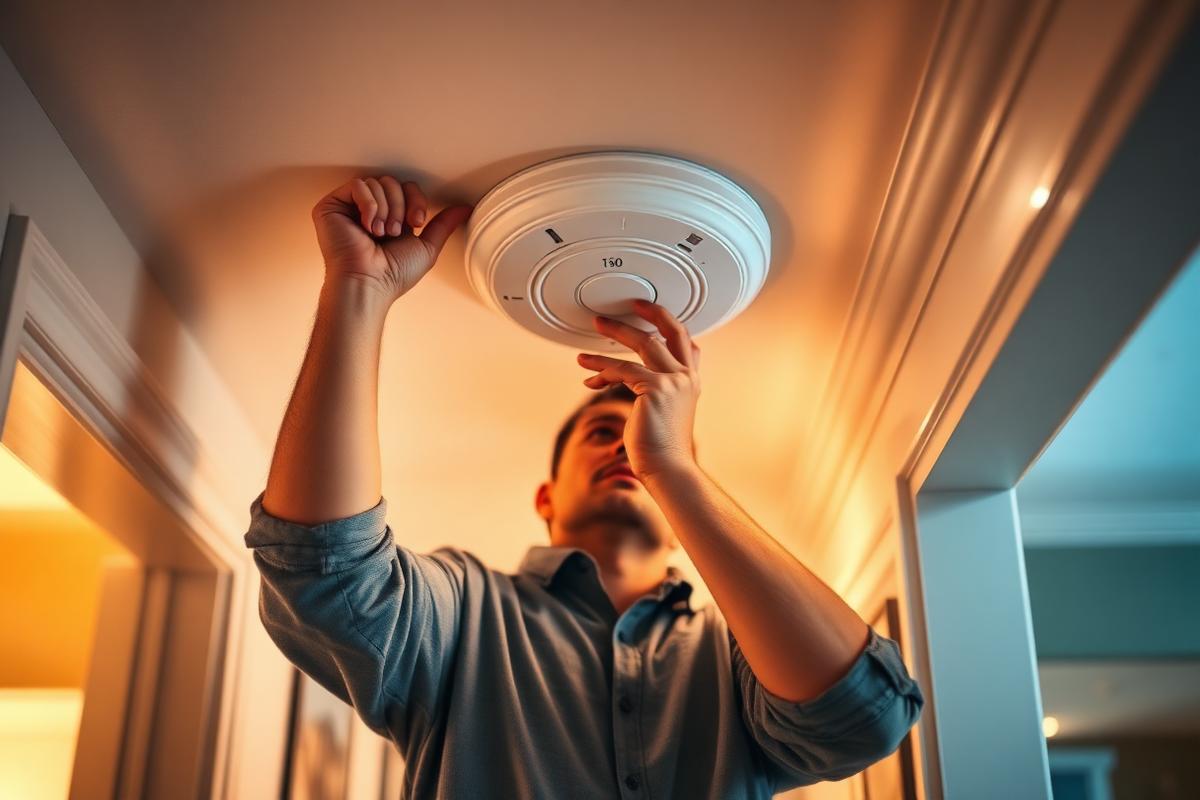

CHARLOTTE, NC – X-Sense highlights the growing need for whole-home protection as fire behavior in modern households becomes increasingly unpredictable.
Learning about smoke detectors, their location, interconnected alarms and regular maintenance can help families be prepared for fire emergencies.
Residential fires spread rapidly and provide little time for residents to become aware of the problem and take action. While nothing can stop all fires, a smoke alarm will provide an important first warning if smoke is detected by a properly selected and maintained smoke alarm.
Smoke alarms are one of the essential elements of a home-safety plan. But they alone are not sufficient to make them effective – they rely on the installation of a unit on a ceiling. The type of alarm that should be used, its location, how it can be heard throughout the house, and if it is tested and maintained regularly are all factors a homeowner needs to take into account.
How Smoke Alarms Detect Potential Fires
Most smoke alarms in homes are intended to detect the smoke particles of a fire that are in the air. The photoelectric (PEC) smoke alarm incorporates a chamber that is filled with light to sense smoke that is visible in the air. The PEC is useful for detecting slow-smoldering fires, which tend to release a lot of smoke.
Upon exposure to smoke and when it has attained the alarm’s threshold, the device beeps. Many current models feature visual indicators for the operational condition, low battery alerts, self-check features, voice messaging alerts, or wireless connectivity.
The right smoke alarm depends on the layout of the property and the level of connectivity the household requires. Available formats include standalone alarms, Wi-Fi-connected models, radio-frequency interconnected alarms, and systems that communicate through a central base station.
Standalone units detect and sound locally. Interconnected alarms are intended to give greater coverage of notifications by triggering more than one alarm when a smoke alarm sounds.
Why Alarm Placement Matters
A smoke alarm can only be useful if it is in the right place, and people inside their property can hear the alarm.
The installation directions provided with each alarm and the applicable required local building standards and recommendations that might be recommended by the local fire-safety authorities should be followed by any homeowner. The number of devices needed will vary according to the size, number of floors, room layout, and construction of the house.
The environment should also be considered when installing alarms. Smoke alarms placed near items such as other air sources, cooking appliances, steamy bathrooms, ceiling fans, or air vents could cause nuisance alarms and/or impair detection measurement.
Avoid stowing, covering, or removing an alarm because it goes off during typical household operations. Nuisance alerts may be repeated if the device needs cleaning, retesting, or replacement with a different type of device for that location.
Interconnected Coverage Provides Broader Warning
Standalone alarms may be hard to hear from other floors or possibly a far-distant bedroom or a closed area. That is why there is value in interconnected systems in larger or multi-level residences.
When a single alarm is connected, the other alarms that are connected can also be activated. The system is designed to alert occupants not only in the room in which the hazard is occurring.
X-Sense SD19-W wireless interconnected smoke alarm illustrates this type of whole-home approach. The photoelectric alarm can be linked with compatible X-Sense wireless alarms, allowing multiple units to sound together when one detects smoke.
It is able to accommodate a maximum of 24 compatible wireless units (WSU) and is claimed to have a transmission range of over 820 feet (250 metres) in open air. Walls, floors, construction and materials, electrical equipment, other physical barriers etc. may impact actual performance in a home.
The SD19-W is not compatible with the SBS50 base station and does not have to tie up with any smart application. For this reason, it is designed for those who prefer direct wireless connections to their home, without using an app.
Long-Life Batteries Can Simplify Maintenance
A major component of the reliability of smoke alarms is battery condition. An alarm cannot ensure reliable protection if it was disconnected, the battery was removed, or the battery is out of date.
In some modern smoke alarms, lithium batteries are used, which last the life of the alarm. For instance, the SD19-W has a sealed lithium battery for 10 years. The battery is a type that cannot be separated and replaced independently.
A long-life battery will mean fewer regular battery changes, but it won’t mean no need for battery testing and inspection. The entire alarm will need to be replaced upon the expiration of the recommended useful life, after any damage, or if they perform failing the functional test.
Be sure to notice warning chirps, indicator lights, and other mating device signals. These alerts vary greatly based on model type, so consulting the product manual is helpful to see if the alert is for smoke, low battery, fault, end of life, or other.
Regular Testing Remains Essential
All smoke alarms should be tested per the manufacturer’s guidelines. Testing has been done to verify that the horn, power supply, and basic alarm are working.
The SD19-W performs an automatic self-test every 60 seconds and takes a triplicate air sample 3 times every 10 seconds. As it is resistant to insects, small insects are unable to gain access to the sensor chamber to cause false alarms.
Manual testing is preferred and should not be an automatic monitoring program. Households also need to make sure the alarm openings are clear of dust and debris and should perform an interconnection test and ensure that all interconnected units respond to the alarm.
A Smoke Alarm Is One Part of Preparedness
Smoke alarms work best as part of a family emergency plan. Family members should know the sounds made by an alarm, how to escape the house safely and where to meet after they have left.
Additional planning and specialized notification devices might be needed for children, older adults, people who need help with hearing, or people with special needs.
There are even more options for smoke detection technology than before—from simple standalone alarms to interconnected and app-enabled networks. Establishing a proper installation, regular testing, adequate emergency planning, and prompt replacement of the device remains important to safety, irrespective of the model chosen.
About X-SENSE Innovations
Founded in 2013, X-SENSE Innovations operates from its registered U.S. address at X-SENSE USA LLC, 1209 Orange St, Wilmington, DE 19801, and specializes in developing certified home fire and safety solutions for both residential and commercial environments. The company focuses on producing professional and user-friendly safety devices, including domestic fire alarms such as smoke, carbon monoxide, and heat alarms, as well as smart home safety systems covering fire protection, intrusion detection, and indoor environment monitoring.
More information is available at www.x-sense.com.
Official company social media profiles: Facebook and Instagram.
Media Detail
Contact Person Name: Farrukh
Company Name: X-Sense
Email: service@x-sense.com
Website: https://www.x-sense.com/
Phone: +1 (833) 952-1880


